
Article
From Farm to Safe Haven: How Cozy Games Became the Language of Emotional Comfort
What actually makes a game cozy — and why psychology matters more than aesthetics.
Cozy games have grown from a niche interest into a serious market category. Today, that category includes farming sims, life sims, charming puzzle games, quiet exploration adventures, and even small moments of calm inside much bigger games.
"Cozy" is now more than a mood. It is a search term, a Steam tag, a TikTok aesthetic, a community identity, and a commercial signal for a very specific kind of player experience.
But the more popular the term becomes, the easier it is to misunderstand.
A cozy game is not defined by pastel colours, soft music, adorable animals, gardens, or quaint villages alone. Those things can help set the tone, but they are not the foundation. The real core of cozy gaming is psychological: the player should feel safe, unhurried, and in control.
This is why Animal Crossing: New Horizons and Stardew Valley became so important. They did not invent comfort in games, and they did not create relaxing gameplay out of nowhere. What they did was prove something the industry had underestimated for years: comfort, routine, creativity, and low-pressure progression could sit at the centre of a successful game experience.
Cozy gaming moved from an almost unnamed feeling into a recognisable commercial category. It grew out of nostalgia and personal rituals, then became a design language that now reaches far beyond farming simulations.
To understand how that happened, we need to look at cozy games not as a simple timeline of releases, but as a chain of problems and responses.
What Is a Cozy Game?
A cozy game is built around comfort, safety, and a pace controlled by the player. Instead of pushing players through constant pressure, harsh failure states, or high-stakes conflict, cozy games create a space where progress feels calm, personal, and manageable.
So, what are cozy games in practice? They can be farming sims, life sims, puzzle games, decorating games, exploration games, or quiet moments inside much larger adventures. What connects them is not one specific mechanic, but the emotional result: the player feels safe, unhurried, and free to move at their own pace.
This is why cozy games are better understood as a design philosophy than as a strict genre. A cozy game is not simply a cute game. It is designed to reduce pressure, respect the player's time, and make small progress feel meaningful without turning it into work.
The Roots: When Routine Became Gameplay
Before "cozy games" became a popular term, games had already been experimenting with everyday life for decades. Farming sims, life sims, and games about building or decorating personal spaces proved a simple but powerful idea: players do not always need combat to feel engaged.
Planting crops, collecting resources, talking to villagers, arranging furniture, or improving a small piece of land can be meaningful gameplay. These actions may look small, but they create rhythm. The player returns not because they need adrenaline, but because the world feels alive beside them.
However, early versions of this formula often carried a strong management-game mindset. Time, efficiency, resources, and correct planning could become more important than comfort. A game could look peaceful on the surface while still feeling like a task list underneath.
This created the first major conflict in cozy design:
How do you keep progression without making the player feel like they are working?
Players already wanted safe rituals, but the industry had not yet fully understood that comfort itself could be a market value.
Stardew Valley: Progress Without Pressure
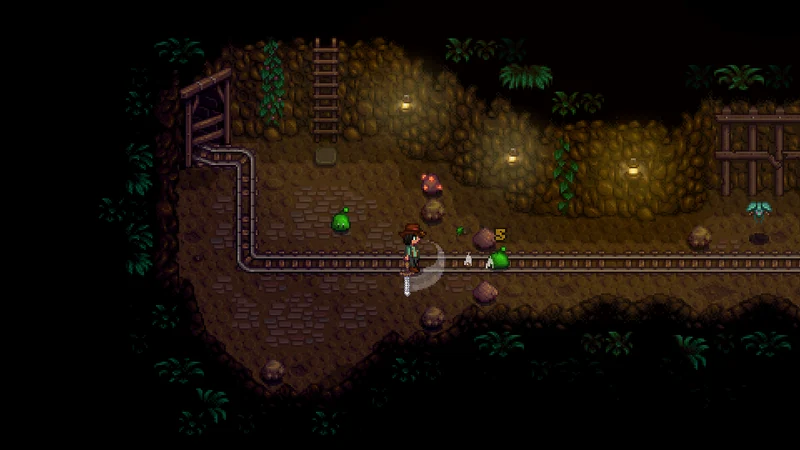
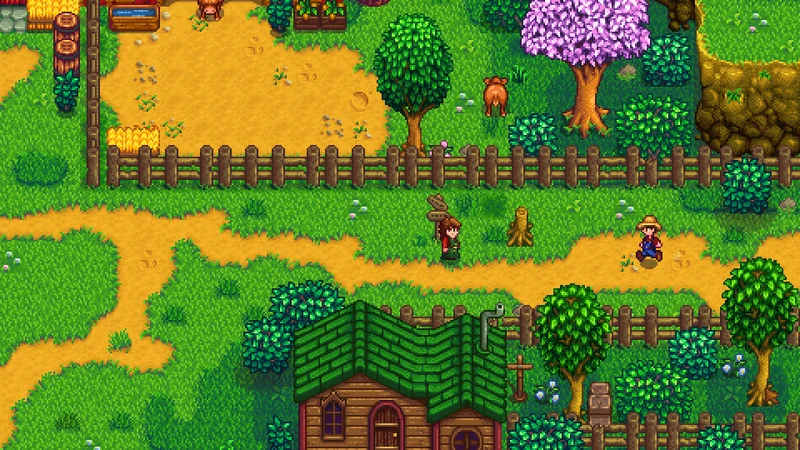
Stardew Valley became a turning point because it answered that conflict almost perfectly. It did not remove goals. In fact, Stardew Valley has plenty of structure: farming, mining, fishing, crafting, relationships, seasons, upgrades, collections, and long-term progression. But the key difference is that the player decides what matters.
You can optimise your farm. You can ignore the mines. You can spend your time fishing. You can focus on relationships. You can decorate your space. The game rarely tells you that you are playing incorrectly — an open-ended freedom The Elder Scrolls players will recognise.
That is one of the strongest foundations of cozy design:
The player needs enough structure to avoid boredom, and enough freedom to avoid pressure.
In Stardew Valley, repetition does not feel like punishment. It feels like ritual. Plant, water, harvest, sell, improve. Each small action creates a small reward. Over time, those small rewards turn an abandoned piece of land into a home.
This is why Stardew Valley became more than a successful indie game. It became a design reference point. It proved that cozy does not mean empty. Cozy means carefully tuned progression with a low level of psychological pressure.
The game also showed that routine can be enjoyable when it respects the player's agency. The same action can feel relaxing or exhausting depending on whether the player chooses it freely.
That lesson became central to the entire cozy games market.
Animal Crossing: New Horizons and the Moment Cozy Became Culture
If Stardew Valley helped define the mechanical formula of cozy gaming, Animal Crossing: New Horizons turned it into a cultural phenomenon.
The game arrived at a moment when the real world suddenly felt unsafe and unpredictable. People were isolated, routines were disrupted, and ordinary social life became difficult. Animal Crossing offered something very specific at exactly the right time: a safe social space that felt calm, predictable, and personal.
The island was not just a location. It acted more like a controllable world. Players could clean, decorate, plant flowers, collect insects, visit friends, share designs, and slowly shape their island into a reflection of themselves.
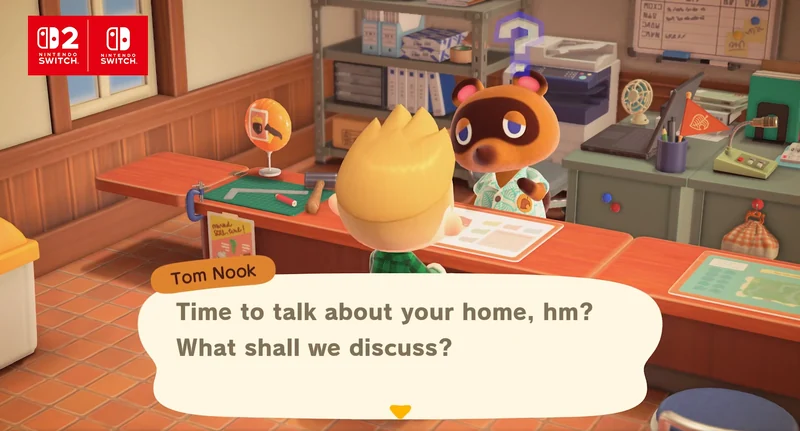
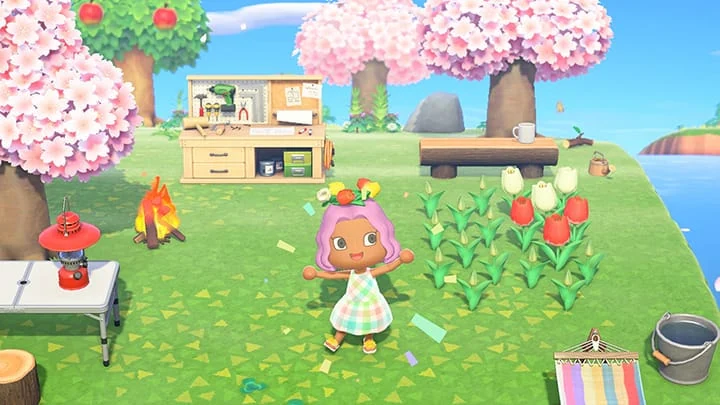
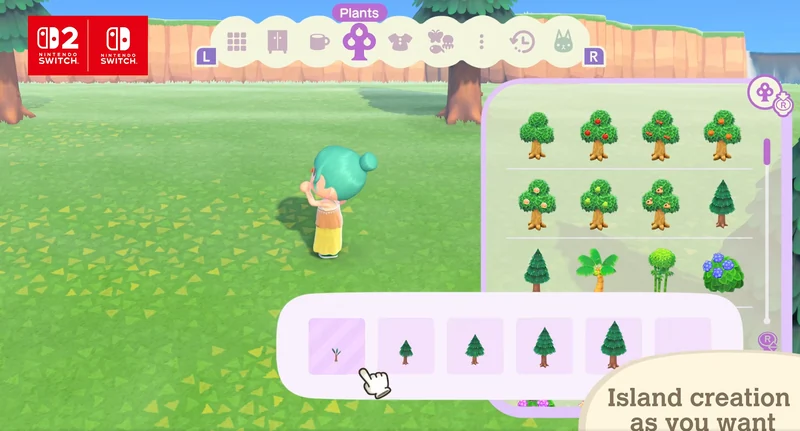
At a time when real life felt chaotic, the game offered soft structure and emotional stability. This is where cozy gaming became bigger than a type of game. It became a lifestyle and a form of self-expression.
Players were not simply losing hours in Animal Crossing. They were showing their islands, sharing their own aesthetics, building routines, and turning virtual spaces into part of their personal identity. Yes, it went that far.
The game became a social platform without the aggression often associated with competitive online spaces. That was the moment the industry started taking cozy games seriously.
After Animal Crossing: New Horizons, it became impossible to brush off cozy gaming as a tiny niche for "casual" players. The audience was large, active, and commercially meaningful. Cozy games were not some random little corner of the market. They were a profitable niche.
The market realised something simple: many players were not looking for more stress. They were looking for somewhere to recover from it. And of course, when there is a paying audience, the market answers with supply.
The Crisis: When Cozy Became a Surface-Level Formula
Commercial success always creates imitation. After the rise of Stardew Valley, Animal Crossing, and the broader cozy movement, the market started copying the visible parts of cozy games: pastel colours, small towns, farms, cats, witches, soft music, cute characters, and decoration systems.
On the surface, everything looked right. But players quickly notice when something feels off.
A cozy game cannot survive on aesthetics alone. If you remove pressure, danger, and conflict but fail to replace them with meaningful progression, sensory pleasure, or self-expression, the result is not comfort. It is emptiness and dissatisfaction.
This is why many cozy clones fail. They confuse "low stress" with "no design tension at all." But cozy is not about the absence of structure. It is about controlled structure. The player still needs to feel that they are building, changing, discovering, or improving something. The difference is that the game should not punish them for moving at their own pace.
This created the next major conflict:
How can a game stay pleasant without becoming shallow?
The crisis of cozy clones made one thing clear: a garden does not make a game cozy if watering it feels like unpaid labour. A cute village does not create comfort if the player is buried under chores. A soft colour palette does not matter if the interface creates inner tension.
Cozy is fragile. It breaks when the player starts feeling controlled by the game instead of controlling their own pace.
Modern Cozy Games: From Genre to Design Layer
Modern cozy gaming survived because it evolved beyond farms and islands. Today, cozy is not limited to life sims. It can appear in puzzle games, exploration games, narrative games, management games, and even inside larger, much more intense adventures.
This is where the idea of "cozy pockets" becomes useful — small safe spaces inside a broader game experience. A cozy pocket can be a room with a fireplace, a campfire, a tavern, a home base, a cooking scene, a fishing spot, a quiet conversation, or any moment where the player is allowed to stop and breathe.
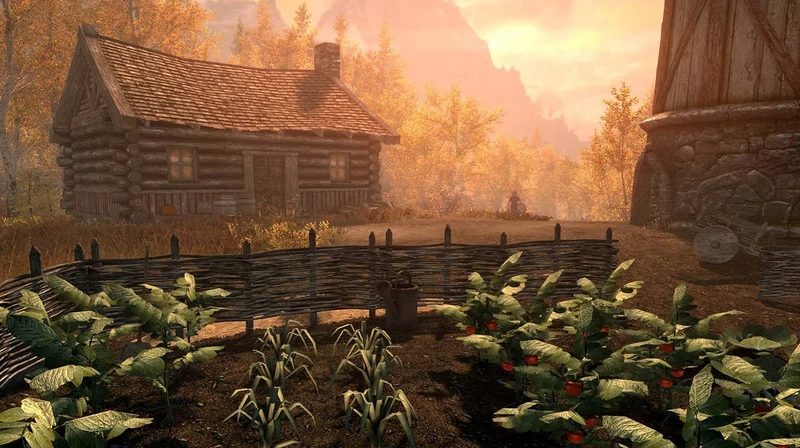


These moments can be especially powerful precisely because they exist in contrast with the outside world. Cooking by a fire at night, caring for a horse, organising a room, or resting in a safe zone can feel more comforting when danger, cold, conflict, or uncertainty exists beyond that space. The player feels the boundary between chaos and safety. That contrast strengthens the emotional effect.
This is why cozy should not be treated as a fixed genre. It is an emotional goal. The mechanics can be different, but they must support the same feeling: the player is safe, the player controls the pace, the player's actions matter, and the game responds gently rather than aggressively.
This is also why quality-of-life design is so important to cozy games. Inventory systems, time controls, automation, animation speed, resource management, UI clarity, and punishment design are not minor details. They directly shape the emotional experience.
Bad interface design can destroy the cozy feeling as easily as a loud sound or an unfair deadline.
Cozy Games Are About Control, Not Just Cuteness
The history of cozy games makes one thing clear: aesthetics help, but psychology does the real work. Cute visuals can attract players. Soft music can set the mood. A charming village can make the first impression warmer. But none of that is enough if the game makes the player feel rushed, punished, or buried under chores.
The real core of cozy games is controlled safety.
Players need to feel that the world is manageable. They need to make progress without fearing harsh punishment for every mistake. Routines should feel familiar, not draining. Goals should pull the player forward without turning into pressure.
That balance is what separates a cozy game from a merely cute game.
What This Means for Game Developers
For developers, this changes what needs to be tested. Bugs, balance, and retention still matter. But in cozy games, you also need to test the feeling:
- Does the game make players hurry?
- Does it punish slow play?
- Are repeated actions pleasant, or do they gradually become busywork?
- Does the interface create tension?
- Can players customise or claim a space that feels like their own?
- Does progression feel rewarding without becoming an obligation?
These questions matter because, as this article keeps returning to, cozy is not a visual style alone. It is a trust relationship between the game and the player.
Players return not because the world has no problems. They return because they know how to control them.
Lumen Grove and the Cozy Design Philosophy of POINTS.GS
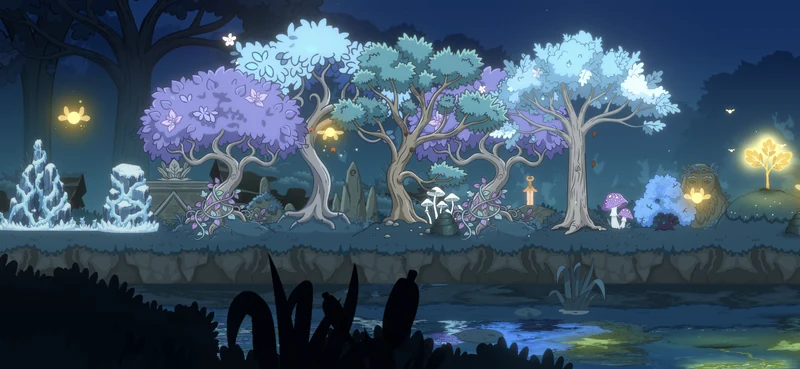
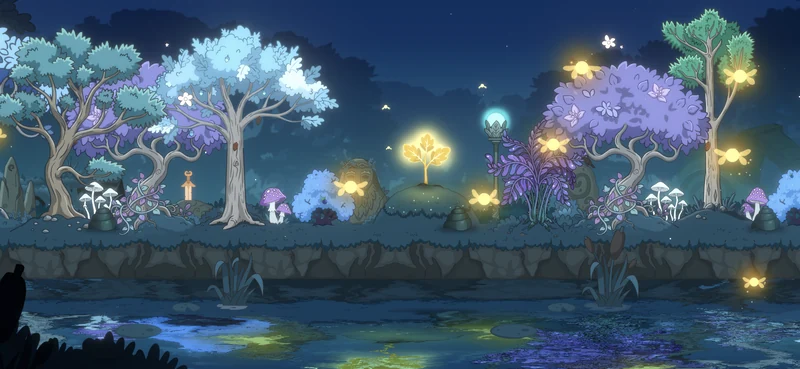
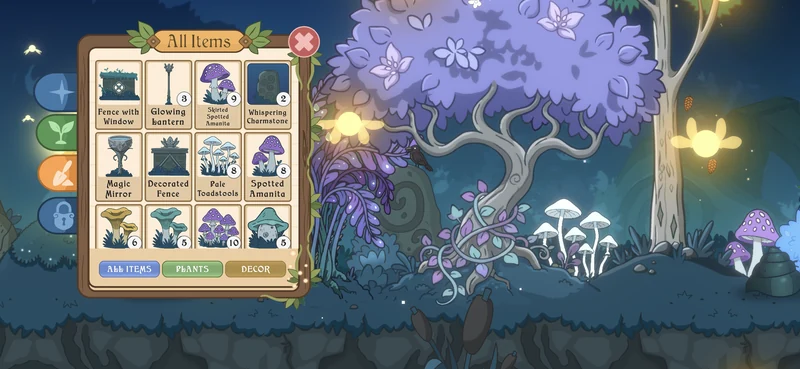
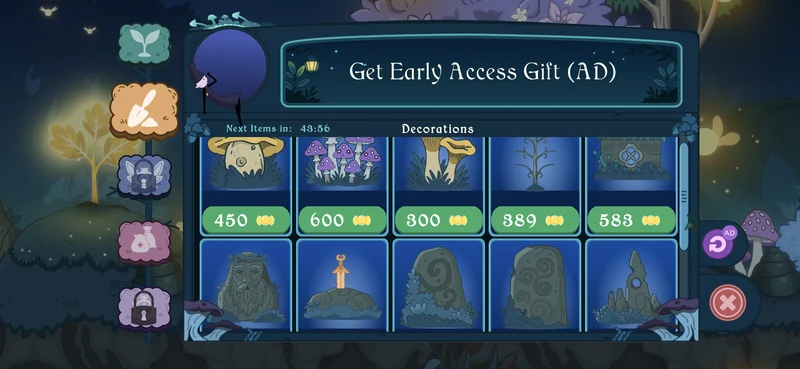
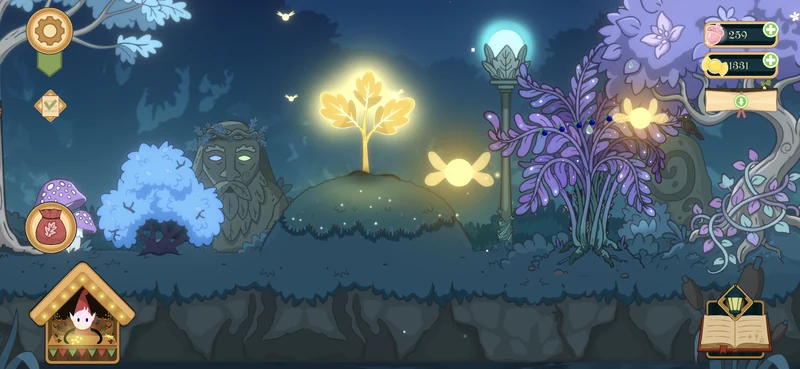
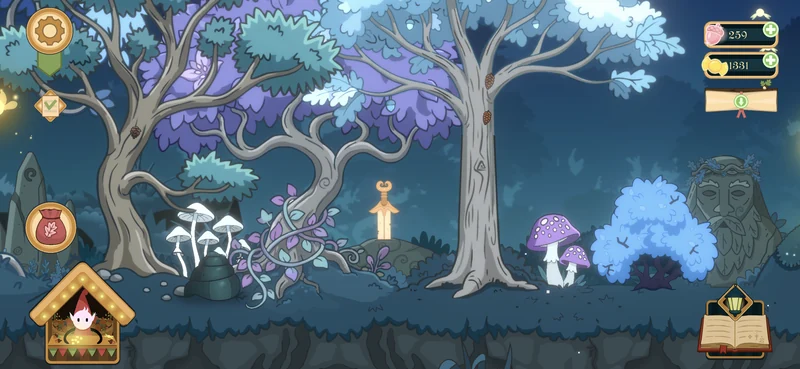
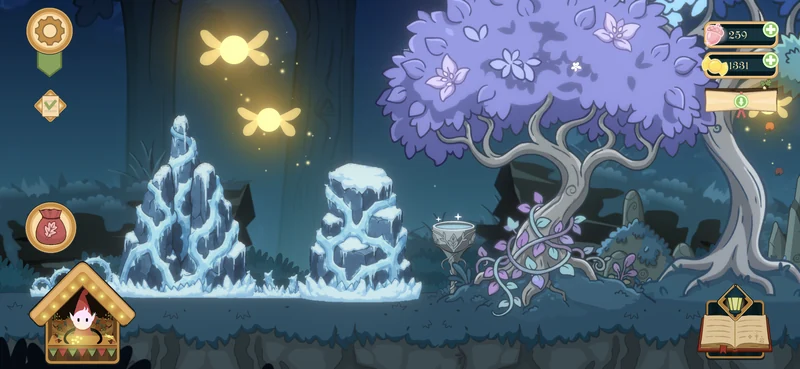
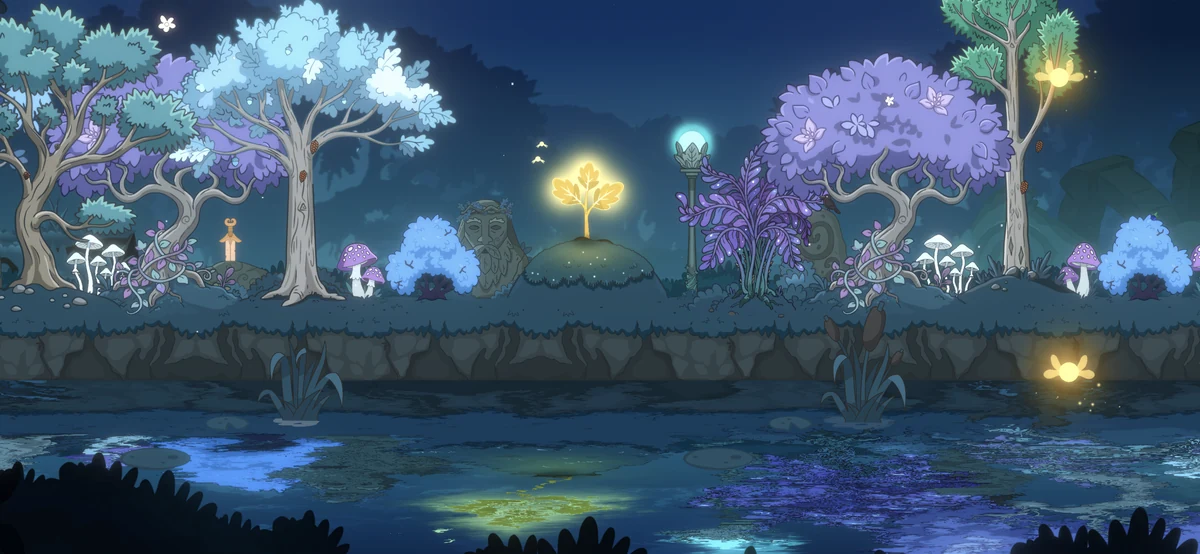
This idea is also at the heart of Lumen Grove, our mobile cozy game about restoring a magical grove in a world that has almost lost its light.
In Lumen Grove, the focus is not speed, pressure, or perfect efficiency. The rhythm is softer: plant, collect, decorate, unlock new areas, and slowly bring light back to the Far Far Forest. The goal is to give players a sense of calm progress without turning the game into another list of chores.
For us, Lumen Grove is a practical test of the main idea behind this article: cozy games are not defined by pastel colours or charming visuals alone. They work when players feel safe even in a dark forest, stay in control, and receive rewards for small but meaningful progress.
If that kind of experience feels close to you, download Lumen Grove and grow your own little corner of light in the Far Far Forest.

Cozy Is a Design of Trust
The story of cozy games is not about games becoming cuter. It is about games learning to support a different player need.
Stardew Valley showed that players want goals without coercion. Animal Crossing: New Horizons showed that a safe virtual space can become a social and cultural phenomenon. The wave of shallow cozy clones showed that aesthetics alone are not enough. Modern cozy design shows that comfort can exist far beyond farming sims.
Cozy is not a strict genre. It may not be a genre at all.
It is a way of designing a game experience around safety, rhythm, control, and recovery.
The future of cozy games will not belong to projects that simply look cute.
It will belong to games that earn the player's trust: with progress that does not pressure, systems that do not punish rest, and worlds players return to because they feel safe enough to care.